

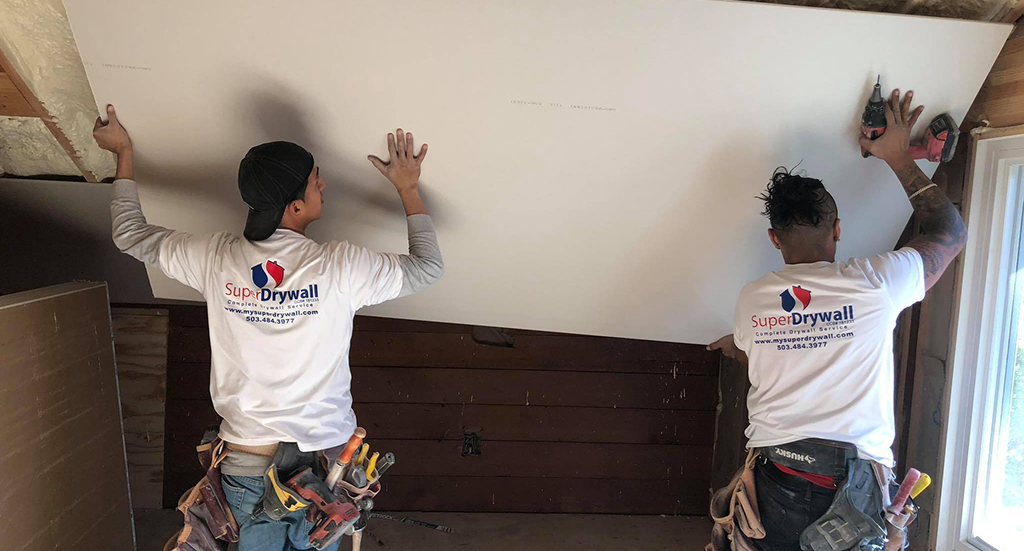
Planning a remodel, room addition, or finishing an unfinished space means deciding when walls and ceilings get closed up. This guide explains when drywall belongs in the sequence, what to prepare before scheduling, and how to coordinate work so your project moves smoothly from framing to paint. It’s written for Portland-area homeowners, remodelers, and small builders who want a clear, practical overview of drywall timing, preparation, inspection points, and on-site conditions.
Where Drywall Sits in the Construction Sequence
In a typical remodel or addition, drywall happens after structural framing and rough-in work are complete, inspections pass, and insulation is installed. The order usually looks like this: 1) Demolition or framing changes, 2) Rough electrical, plumbing, HVAC, and low-voltage, 3) Framing alterations and blocking, 4) Rough-in inspections, 5) Insulation and any required vapor retarder, 6) Drywall installation, 7) Taping, mudding, and finishing, 8) Texture (if specified), 9) Primer and paint, 10) Trim and final finishes. This sequence helps protect systems inside the walls, speeds up finishing, and reduces rework caused by late changes.
Pre-Drywall Checklist: What Should Be Done First
Before drywall crews arrive, confirm that framing is stable and straight, rough MEP (mechanical, electrical, plumbing) is complete, and all inspections are approved. Add nailers and backing where needed for cabinets, handrails, vanities, and wall-mounted items. Make sure windows and doors are set, with shims and fasteners trimmed flush. Insulation should be installed where specified. Verify final locations for recessed lights, switches, outlet heights, and fan boxes. If specialty boards are specified—such as mold-resistant board for baths—note those locations on the plans and walk the space with the contractor so materials are staged correctly.
Permits, Inspections, and Timing Gates
For permitted remodels and additions in the Portland metropolitan area, drywall installation follows rough-in inspections. Most jurisdictions require rough electrical, plumbing, and mechanical approvals before walls are covered. Plan for potential inspection lead times and re-inspection windows in your schedule. If an energy inspection is required for insulation or air sealing, schedule it before drywall. Starting drywall without approvals can lead to delays, removals, and added cost later.
Coordinating Trades: Avoiding Conflicts and Rework
Good coordination limits change orders and finish disruptions. Schedule low-voltage, security, and networking lines to be pulled before insulation and drywall. Confirm that fire blocking, draft stopping, and penetrations are sealed where required. Have the HVAC contractor set vent boxes to final depth, and coordinate bath fan ducting so terminations are complete. If the tile contractor needs backing or flatness in shower areas, address substrate requirements before drywall or use appropriate backer where specified. Clear this sequencing early so drywall crews can work without returning to open finished areas.
Material Choices: Standard, Moisture-Resistant, and Specialty Boards
Project needs and code requirements guide board selection. Standard gypsum board is typical for most living spaces. Moisture-resistant board may be used in bathrooms and laundry areas outside of direct wet zones; cement or approved tile backer is used where tile meets active water. Thicker boards (5/8-inch) can improve rigidity or meet fire rating requirements in specified locations. If sound control is a goal—such as in bedrooms or between units—discuss options like staggered studs, resilient channel, and insulation with your remodeler during framing, before board selection.
Installation Conditions: Site Readiness for a Clean Job
Drywall work benefits from a clean, stable environment. Ensure the space is swept, debris is removed, and floor protection is down where needed. Keep the building reasonably dry and weather-tight to protect materials. Provide clear access for material delivery and staging. If you’re working in an occupied home, discuss dust control, containment, and daily cleanup expectations ahead of time. These steps help crews install, tape, and finish efficiently and keep adjacent rooms livable.
Taping, Finishing Levels, and Texture Matching
Finishing levels determine how smooth or refined the final surfaces appear. For most living areas, Level 4 is common and primes well for standard paint finishes. Level 5 (skim coat) can be considered for critical lighting or high-sheen paints that reveal more surface variation. If you’re matching existing texture—orange peel, knockdown, hand trowel—collect photos or point to reference walls in the home. Expect test patches on repairs to dial in the match before finishing larger surfaces. Confirm where texture stops and starts, especially at transitions between new spaces and existing rooms.
Drying and Curing: How Scheduling Affects Speed
Drywall compounds need time and the right conditions to cure between coats. Maintain consistent temperature and ventilation as recommended by the compound manufacturer. Rapid swings in temperature or humidity can slow drying or create finish issues. If you plan to paint immediately after finish and texture, confirm the required cure time for mud and primer. Rushing this step can lead to flashing or uneven sheen under final paint. Build these windows into your project calendar to avoid compressing the finish schedule.
Occupied Remodels: Protecting Adjacent Areas
When working inside an occupied Portland-area home, plan containment at doorways and HVAC returns, and discuss how tools and materials will be staged each day. Ask crews to use dust barriers, negative air where feasible, and sealed floor protection in traffic paths. Agree on work hours, access instructions, and parking limits. If pets are in the home, set up a plan that prevents escape or exposure to dust. Clear expectations reduce interruptions and keep drywall finishing on track.
Room Additions and Conversions: Framing to Finish
Additions and conversions (garage, attic, or basement) follow the same general order with a few added details. Plan for insulation type and any required fire separation per local code. Confirm ceiling heights after mechanicals and lighting are set, since board dimensions and waste can change with soffits or beams. If you’re tying into existing hallways or stairwells, think through how texture and paint transitions will look when spaces connect. Good planning here keeps new and old areas visually consistent.
Apartments and Multi-Unit Updates: Unit Turns and Patch Work
Property managers often need fast drywall repairs between tenants. Keep a standard list of common patch sizes, preferred textures, and paint systems so repairs can be scheduled quickly. For recurring damage points, add blocking or change fixtures to reduce future repairs. When multiple units are open, batch drywall and finishing to reduce mobilizations. Consistent specifications—board type, mud, tape, texture—help maintain uniform results across units.
Common Triggers That Signal It’s Time for Drywall
Drywall is ready to start when framing is complete, utilities are roughed-in and inspected, insulation is placed, and all penetrations are sealed. Other signals include final fixture rough-in locations being set, bath fan ducting in place, window and door jambs installed, and specialty backing complete. If any of these are pending, pause scheduling so you don’t lose time to rework. A brief walk-through with your contractor to confirm readiness can save days in the finish schedule.
Preparing for the Next Step: From Drywall to Paint and Trim
Once finishing and texture are complete, plan for primer, then paint, followed by trim and finish carpentry. Painters should evaluate lighting conditions and surface readiness before starting. If cabinets or built-ins are scheduled soon after, confirm wall flatness and cleat/backing locations. Sequencing these finishing trades in the right order keeps surfaces protected and reduces touch-ups later.
When Repairs and Matching Are the Main Task
Remodels often create selective openings for plumbing, electrical, or layout changes. In these cases, the focus is controlled demolition, accurate patch sizing, and texture matching to blend new with old. Protect surrounding finishes, prime cuts for clean edges, and note any existing surface defects that should be addressed during finishing. Small repairs can be grouped with larger work to minimize setup and cleanup time.
Coordinating with Your Drywall Contractor
Share plans, finish schedules, and any city inspection notes. Identify which rooms are priority and where access is limited. Confirm board types, finish level, and texture choices in writing. Discuss site conditions—power availability, heat, and ventilation—so drying times are predictable. If you are transitioning from framing or demolition to new wall and ceiling surfaces, align your plan with residential drywall installation and finishing steps to keep the project moving without gaps.
Avoiding Delays: Common Pitfalls and How to Prevent Them
Typical slow-downs include missing inspections, late fixture decisions, and changes to wall locations after board delivery. To avoid this, lock in electrical and plumbing layouts early, review cabinet drawings against stud locations, and confirm door swings before insulation. If a change is unavoidable, communicate it quickly so material counts and cut lists can be updated before installation begins.
Safety, Cleanliness, and Waste Handling
Plan for safe material staging, clear walking paths, and stable ladders or scaffolding where needed. Keep fasteners, scrap, and taping knives organized to reduce hazards. Arrange dumpster space or pickup for gypsum waste and packaging. In occupied homes, daily cleanup and broom-swept floors are practical expectations that help keep the job livable and reduce final punch lists.
What to Communicate During the Walk-Through
During a pre-drywall walk, point out: areas needing specialty board, sound-sensitive rooms, exact edges for texture transitions, and any walls planned for tile, paneling, or built-ins. Mark blocking and backing locations. Confirm where corner beads should be metal or vinyl, and note outside corners that see regular traffic. Document everything with photos. Clear direction reduces callbacks and ensures the finish aligns with your design intent.
Internal Coordination and Next-Stage Planning
As you approach drywall, plan the handoff between framing and finish trades. Order materials early, confirm delivery access, and allocate space for board stacking without blocking doors or stairways. Map out the finish calendar: install → tape → sand → texture → prime → paint. If floors are installed later, maintain robust protection for any existing surfaces. Planning these details reduces surprises as you move toward final inspection and move-in.
Drywall is the bridge between rough construction and finished space. In the Portland metropolitan area, it typically follows framing, rough-ins, inspections, and insulation, then leads directly into paint and trim. By confirming readiness, selecting the right materials, and coordinating trades, you keep the project on schedule and achieve clean, consistent results. When you’re transitioning from framing or demolition to finished walls and ceilings, align your plan with a clear installation and finishing sequence so the next stage—painting and final touches—starts on time.
Frequently Asked Questions
After framing changes, rough electrical/plumbing/HVAC are complete, and rough-in inspections pass. Install insulation (and any required vapor retarder) next, then hang drywall, tape and finish, apply texture if specified, and move on to primer, paint, and trim.
Confirm rough MEP is finished and approved, framing is straight and stable, and backing is in for cabinets, railings, vanities, and accessories. Windows and doors should be set, insulation installed, floor protection down, and specialty board locations (like moisture-resistant panels) marked and staged.
Yes. Most jurisdictions require rough electrical, plumbing, and mechanical approvals before drywall. If an insulation or energy inspection is required, complete it first—starting drywall without approvals risks opening finished areas and added cost.