

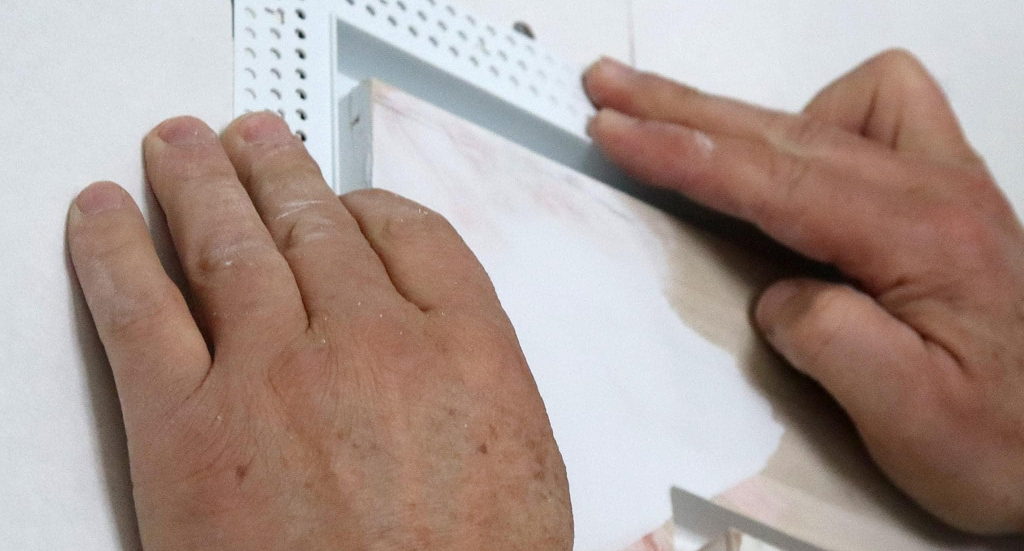
Noticing holes, cracks, dents, or rough patches on finished walls or ceilings can raise a lot of questions. Is it a quick patch, a broader repair, or does the texture need blending so the fix disappears after paint? This guide explains how to read common drywall issues, what typically causes them, and when a repair evaluation makes sense for homes and apartments in the Portland area.
Small Holes vs. Large Openings
Thumbtack and screw holes are usually straightforward: fill, sand, prime, and paint. Hand-sized holes from door knobs or accidental impacts often need a backing plate or mesh patch to support new compound. Larger openings or torn paper around the edges suggest cut-out and replacement of a small drywall section for a durable result. If the area flexes when pressed or crumbles at the edges, a simple spackle will likely fail. At this size, it’s smart to consider a drywall repair so the surface finishes flat and holds paint well.
Cracks: Hairline, Reappearing, and Corner Issues
Hairline cracks at seams often show up from minor movement. If you’ve painted over a crack and it returns, the tape may be loose or the joint compound too thin. Stair-step cracks that follow seams or cracks in corners can indicate failed tape or inadequate bedding. These cases often require cutting out failing tape, re-taping, and re-finishing—not just caulking. Ceiling cracks around trusses or between rooms with temperature differences may need specific finishing approaches to reduce recurrence.
Dents, Dings, and Surface Bruising
Shallow dents from furniture or daily traffic can be filled with a light coat of compound and sanded smooth. If dents expose torn paper, seal the paper first to prevent bubbling under paint. Multiple small dents across a wall can point to soft compound or inadequate primer from a past finish. When dents cluster on a textured wall, plan for spot texture or broader blending so touch-ups don’t telegraph under light.
Water Stains and Soft Spots
Brown staining without softness usually calls for stain-blocking primer after the source of moisture is fixed. Soft or swollen areas, peeling tape, or crumbly gypsum indicate water intrusion that likely requires cutting out and replacing affected sections. For ceilings, check adjacent fixtures or roof-related sources first. Once dry and replaced, finishing and texture matching determine how invisible the repair looks under room lighting.
Texture Mismatch: Why Patches Still Show
Even when a patch is flat, a texture mismatch can leave a visible halo after paint. Orange peel, knockdown, skip trowel, and other patterns vary by thickness, aggregate, and application method. Small blend zones can work for subtle textures, but medium to heavy textures often need a wider feather to hide transitions. If you see a glossy ring or a different pattern in daylight, you’re likely looking at a texture issue rather than a paint problem. This is the point where a texture-focused repair becomes the next step.
Lighting Reveals More Than You Think
Raking light from windows or fixtures makes slight waves, ridges, and patch edges stand out. Walk the room at different times of day and view the surface from several angles. If the patch looks fine head-on but shows a halo at an angle, it may need additional skim and sanding or a broader texture blend. This is common in hallways, stairwells, and rooms with large windows.
When to Request a Repair Evaluation in Portland
If cracks keep returning, holes are larger than a few inches, water has softened the surface, or texture differences are visible after paint, it’s time for a repair evaluation. Homeowners and property managers in the Portland metropolitan area often reach out when a DIY fix doesn’t hold or a patched area shows through under light. A short site visit can confirm whether the solution is a spot patch, re-taping, or texture blending to finish the area cleanly.
What to Expect During a Professional Visit
A typical visit covers identifying the cause, checking for movement or moisture, and reviewing finish expectations. For apartments and rentals, planning focuses on speed, dust control, and minimizing unit downtime. For homeowners, we review paint-readiness and what size of blend makes the repair disappear after repainting. You’ll know whether the work is a small patch, joint repair, or a section replacement with finishing and texture match.
Next Steps: Repair or Texture Match
If your main concern is damage size, a repair path focuses on cut-out, backing, taping, and finishing. If your main concern is a visible halo after patching, a texture path focuses on pattern match and feathering. Once the surface is flat and the texture is blended, primer and paint complete the job. For homeowners and property managers, this sequence helps schedule painting and turnover with fewer surprises.
Start with what you see: hole size, recurring cracks, softness from moisture, or a patch that shows under light. Small issues may be manageable with basic patching, but returning cracks, soft spots, or texture halos point to a professional repair and texture blend. In the Portland area, Super Drywall LLC handles installation through finishing, including repair and texture matching for homes and multi-unit properties. If you’re moving from identifying the issue to planning next steps, call now to schedule a drywall repair evaluation or discuss texture matching for your space.